
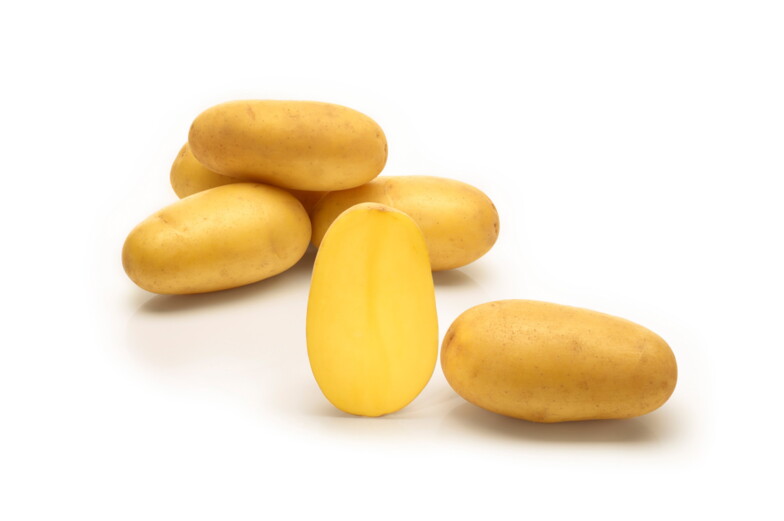
Sunshine
A high yielding, early maturing potato variety (65–70 days). Tubers are oval, smooth, and light yellow with pale yellow flesh ideal for export. Moderately resistant to late blight and scab, performs well in moderate heat and mild drought. Yields 40–42 t/ha, suitable for cooking and also has good storage ability.
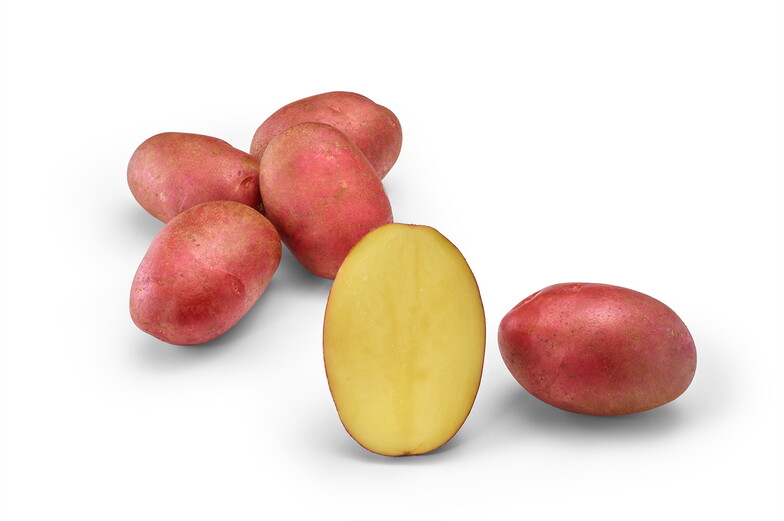
Reza
A high yielding, mid-season potato variety (80–90 days). Tubers are oval with smooth red skin and pale yellow flesh. Well adapted to Bangladesh’s soil and climate, moderately resistant to late blight and scab, and tolerant to moderate heat and mild drought. Yields 40–42 t/ha, suitable for cooking, French fries, and commercial use, with good storage ability.
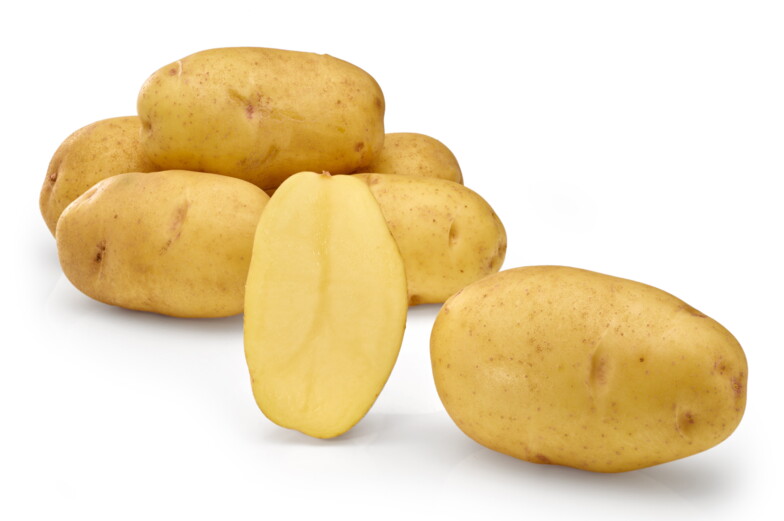
Edison
A high yielding potato variety (90–100 days), ideal for processing, especially French fries and chips. Tubers are oval, smooth, with light yellow skin and white to light cream flesh. Moderately resistant to late blight and black scurf, and tolerant to mild drought and moderate temperatures. Yields 35–45 t/ha, stores well, and offers strong commercial profitability.
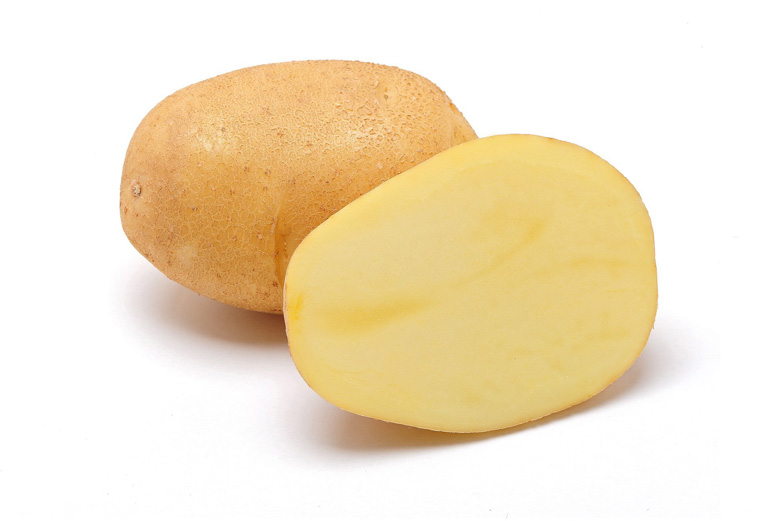
Donata
A high yielding, medium duration potato variety (90–100 days) ideal for French fries and chips. Tubers are oval, smooth, light yellow with light yellow flesh. Well adapted to Bangladesh and South Asia, moderately resistant to late blight and scab, and stable under mild drought or temperature variation. Yields 35–45 t/ha, stores well, and suits both cooking and processing.
Beethoven
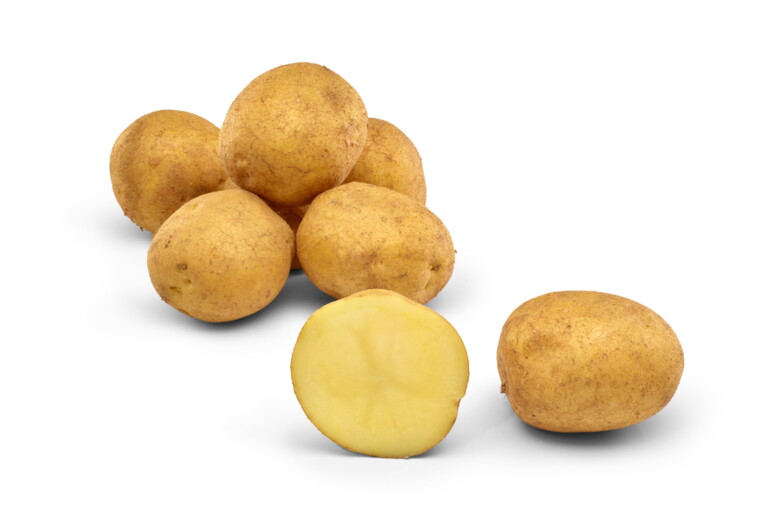
A high yielding potato variety (85–95 days), well adapted to Bangladesh and South Asia. Tubers are oval, smooth, with light yellow skin and flesh. Moderately resistant to late blight, black scurf, and scab, performing well across diverse soils and climates. Yields 35–45 t/ha, suitable for chips processing, with good storage and strong commercial potential.
Rumba
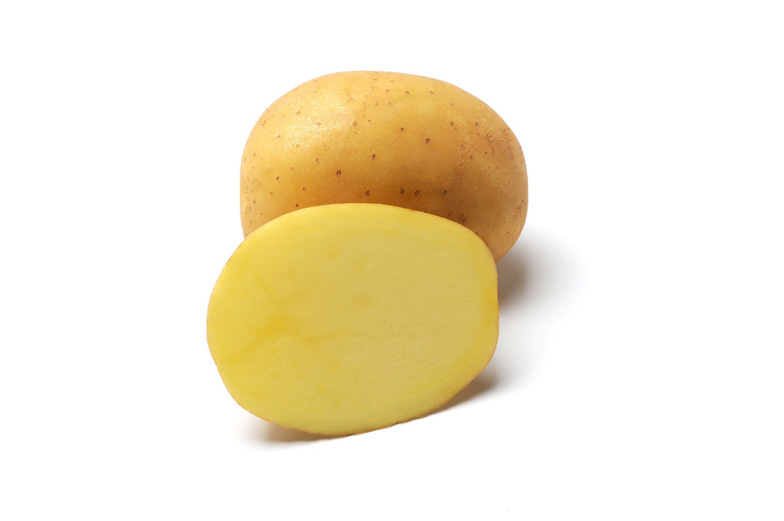
An early, high yielding potato variety (85–95 days) ideal for chips. Tubers are oval, smooth, with light yellow skin and flesh. Moderately resistant to late blight and scab, and adaptable to diverse climates. Yields 35–45 t/ha, with excellent cooking quality and storability, making it a farmer and trader friendly choice.
TPS
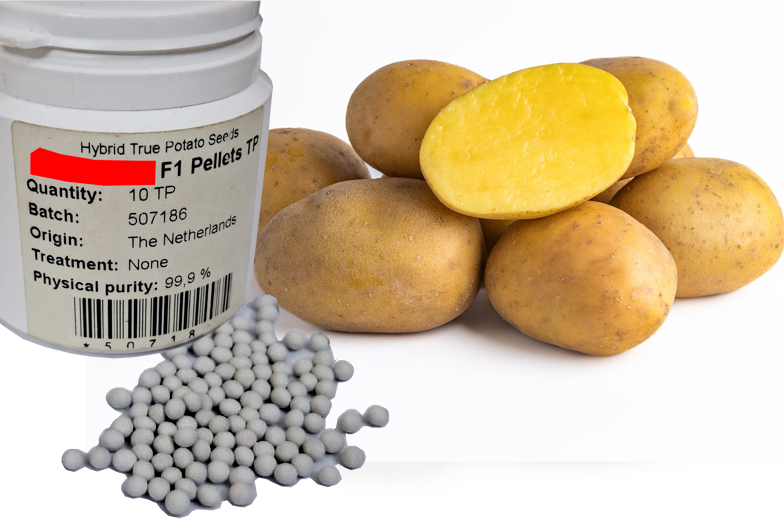
Produced through true botanical seed development (not tubers), ensuring freedom from tuber-borne pathogens and minimizing disease risk in new crops. Just a few grams of TPS can replace heavy tubers, simplifying logistics and storage — ideal for remote or infrastructure-limited regions. Not restricted by growing seasons; TPS can be produced and distributed anytime, providing farmers with consistent access to quality planting material. Developed through non-GMO hybrid breeding, offering stronger resistance to diseases like late blight, climate adaptability, and uniform high yields.